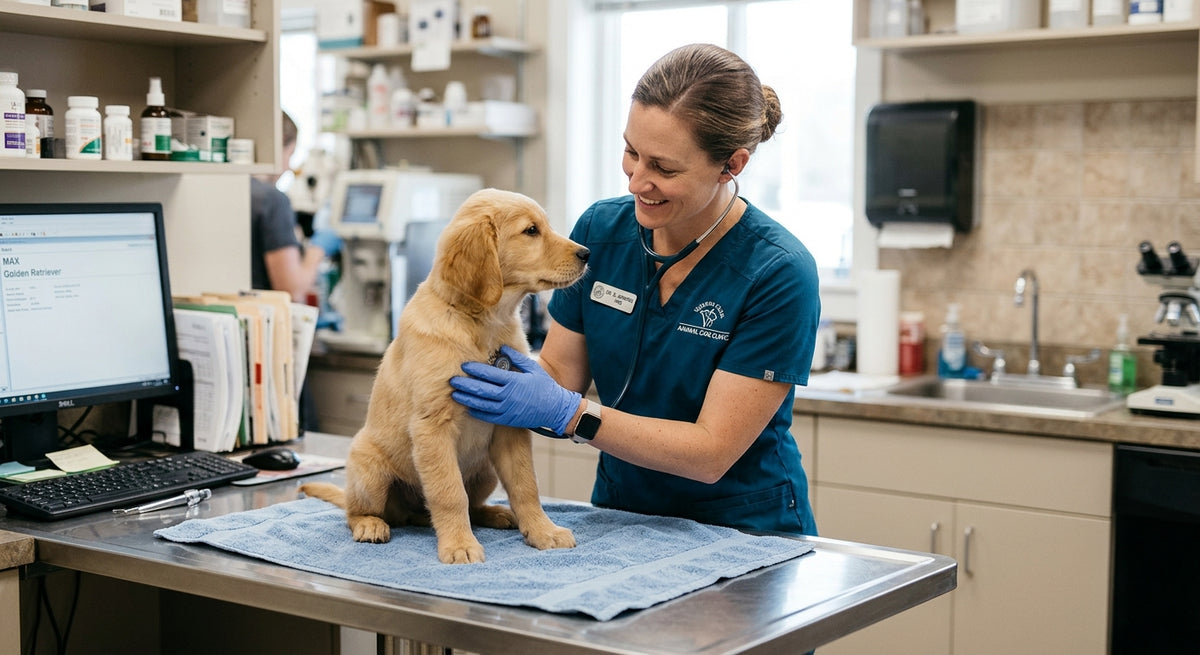
In modern healthcare and laboratory environments, the white coat remains a timeless symbol of competence, hygiene, and patient trust. Whether worn by attending physicians in outpatient clinics, diagnostic specialists in pathology labs, or clinical practitioners in private med-spas, a crisp coat establishes an immediate standard of excellence. However, clinic administrators and practice managers often face a persistent challenge: sourcing garments that balance tailored professional appearance with all-day functional durability. Sourcing high-quality wholesale lab coats provides medical practices with a cost-effective strategy to maintain uniform brand presentation without sacrificing comfort, safety, or longevity across multidisciplinary teams.
Fabric Performance and Longevity: Choosing the Right Materials for Clinical Demands
The performance of clinical outerwear depends heavily on fabric composition. In fast-paced medical facilities and clinical research environments, wholesale medical apparel must withstand routine exposure to biological contaminants, aggressive industrial laundering, and long shifts of active movement. Pure cotton offers breathability but tends to wrinkle quickly and absorb moisture. Conversely, high-grade poly-cotton blends and advanced twill weaves deliver optimal tear resistance, shape retention, and wrinkle defense while remaining lightweight. When procuring wholesale uniforms for private clinics or research centers, prioritize fabric construction that actively resists fluid saturation and supports clean presentation throughout high-volume patient schedules.
- Fluid-Resistant Barrier Technology: Look for dense polyester-cotton twill weaves that repel liquid splashes and accidental chemical spills while allowing internal airflow for temperature regulation.
- Reinforced Stress Points: Verify bar-tacked stitching along pocket corners, reinforced side-slit access points, and durable melamine buttons that survive repetitive commercial wash cycles.
- Utility-Driven Pocket Configurations: Ensure coats feature deep tablet-sized lower pockets, dedicated chest pockets for pens and diagnostic instruments, and side pass-through openings for quick access to pant pockets beneath.
Unisex Versus Tailored Sizing: How to Streamline Clinic-Wide Fit and Function
Ill-fitting coats detract from professional authority and impede physical dexterity during physical examinations or delicate bench work. Boxy unisex cuts often lead to overlong sleeves, sagging shoulders, and excess bulk that can catch on diagnostic equipment or laboratory counters. Implementing a standardized sizing protocol ensures that every physician, scientist, and technician receives garments suited to their specific physique. When procuring bulk uniforms for diverse staff, clinic managers can eliminate sizing guesswork by establishing clear internal ordering guidelines before placing high-volume orders.
- Audit Departmental Roles and Movement Needs: Differentiate between consultation-heavy roles requiring shorter, tailored consultation coats and laboratory or procedural tasks requiring full-length knee coverage and knit barrier cuffs.
- Establish Standardized Sizing Profiles: Collect chest, sleeve length, and torso measurements across departments using manufacturer sizing charts instead of relying on generic retail tag sizes.
- Order Coordinated Sample Sets: Request sample sizes prior to full-scale ordering to evaluate drape, ease of movement around the shoulder yoke, and hem length during everyday clinic motions.
Coordinating Bulk Orders: Building a Cohesive Apparel Strategy
Modern medical practices increasingly favor an integrated wardrobe that seamlessly coordinates outer coats with base garments. By partnering with Zenir Wholesale, clinic administrators can harmonize their practice aesthetic while drastically lowering the cost per unit across large purchasing cycles. When curating an all-inclusive uniform program, healthcare facilities commonly pair premium wholesale lab coats with flexible, color-coded foundation scrubs. Designing an integrated apparel program allows practice managers to order functional wholesale women's scrubs alongside ergonomically cut men's scrubs, ensuring the entire team projects a cohesive, polished identity.
Consolidating your supply chain through bulk scrubs and outer coat orders simplifies recurring procurement, minimizes freight expenses, and guarantees consistent fabric dye lots across clinical departments. Rather than juggling multiple retail vendors, sourcing wholesale scrubs alongside clinical outerwear ensures that every staff member—from front-desk phlebotomists to senior research clinicians—enjoys dependable fabric quality, exceptional fit, and an elevated professional presentation.
Ready to upgrade your practice's professional image with premium, durable outerwear and clinical apparel? Partner with Zenir Wholesale today to access superior bulk discounts, dependable fabric performance, and comprehensive inventory solutions tailored specifically for growing clinics, laboratories, and healthcare facilities.