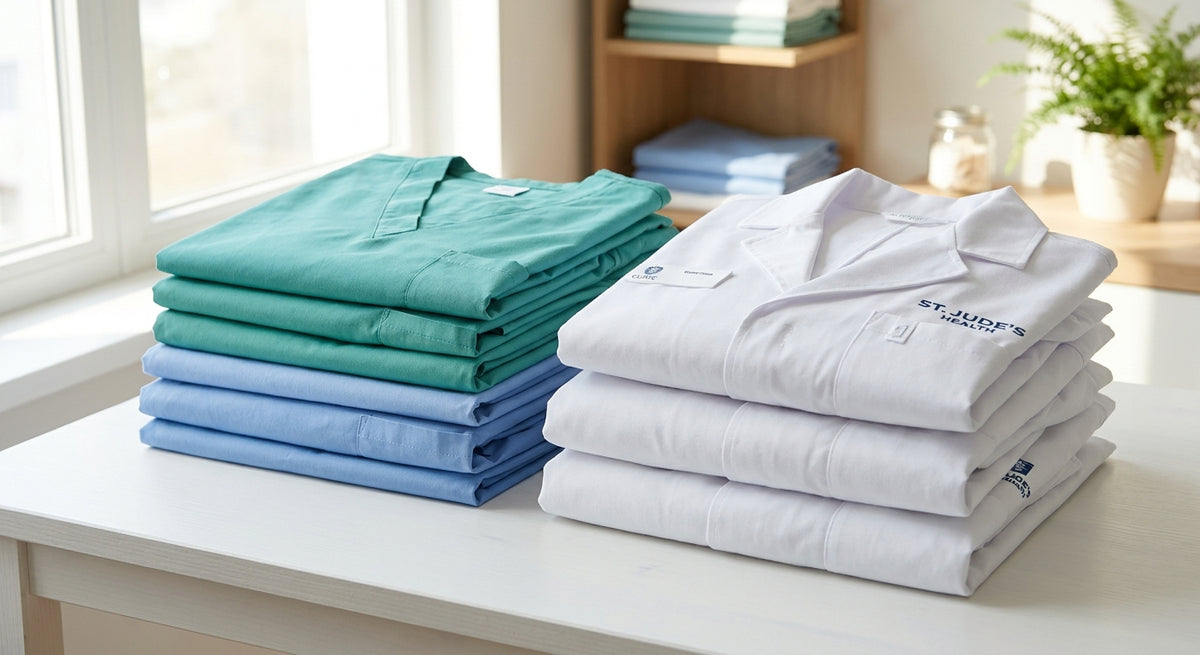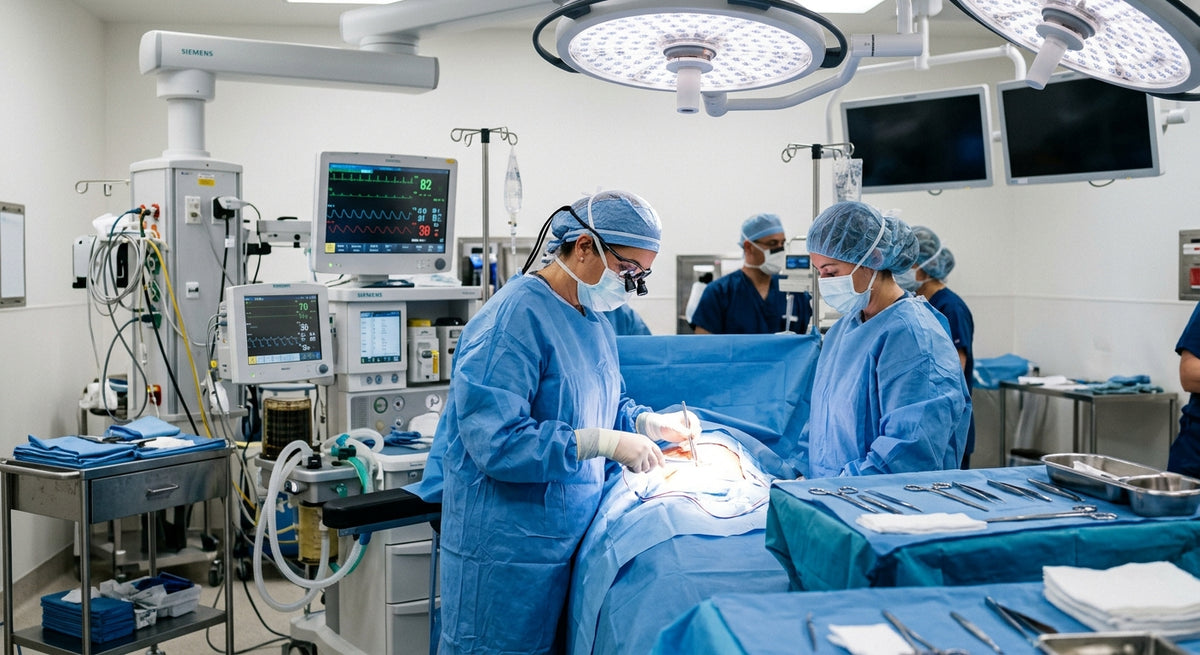
In the operating room, every detail directly influences patient safety, infection control, and team performance. Surgical environments leave zero margin for error, and the clothing worn by perioperative staff plays a critical protective role alongside sterile gloves, masks, and surgical drapes. Procuring the right wholesale scrubs for entire surgical departments ensures that surgeons, scrub technicians, and circulating nurses adhere to stringent hospital regulations without sacrificing comfort during grueling, multi-hour procedures. When healthcare facilities and ambulatory surgical centers invest in premium wholesale medical apparel in high volumes, they secure dependable quality, reduce overhead costs, and maintain a unified, sterile standard across all surgical suites.
Infection Control and Sterile Protocol: Essential Standards for Operating Room Attire
Unlike standard clinical apparel worn in outpatient facilities or consultation offices, operating room attire must adhere to strict guidelines outlined by organizations such as the Association of periOperative Registered Nurses (AORN). Surgical teams generate millions of microscopic skin scales and airborne particles each hour. High-quality wholesale uniforms engineered specifically for surgical environments act as essential bio-barriers, substantially reducing particulate shedding into the sterile field while protecting healthcare staff from bloodborne pathogens and accidental chemical exposure. When hospital procurement managers evaluate bulk scrubs for surgical suites, they must focus on fabric density, breathability, and compliance with laundering regulations.
- Low-Linting, Tightly Woven Fabrics: Surgical scrubs must minimize fiber shedding to protect open surgical wounds and prevent post-operative surgical site infections (SSIs).
- Fluid and Stain Resistance: Fabric blends must offer dependable liquid barrier performance while retaining optimal airflow under high-intensity surgical lighting.
- Industrial Laundering Durability: Surgical garments must withstand recurring high-temperature wash cycles, chemical sanitizers, and rigorous autoclave or decontamination processing without fraying or fading.
Bulk Buying vs. Ad-Hoc Purchasing for Modern Surgical Suites
Managing surgical team apparel requires consistency, predictability, and meticulous inventory control. Hospital departments that rely on fragmented, decentralized uniform buying often experience erratic stock levels, sizing mismatches, and substandard garments entering sterile zones. Transitioning to organized orders of bulk uniforms eliminates these operational friction points, ensuring that hospital laundry facilities and changing lockers are always fully stocked. Implementing an organized bulk purchasing strategy allows healthcare administrators to optimize both budget allocations and surgical workflows through practical logistical management.
- Audit Departmental Sizing and Turnover: Calculate staff headcount across shifts, factoring in emergency change-outs caused by fluid exposure, to determine an accurate baseline for routine scrub replenishment.
- Standardize Color Coding by Role: Establish clear color classifications (such as surgical teal, ceil blue, or pewter) to streamline role identification between lead surgeons, surgical techs, and anesthesia personnel across busy operating corridors.
- Partner with a Dedicated Supply Partner: Team up with a reliable supplier like Zenir Wholesale to schedule predictable shipments, lock in volume discounts, and guarantee consistent textile specifications year-round.
Optimizing Your Surgical Team’s Wardrobe with Zenir Wholesale
Equipping an entire surgical department requires durable garments that prioritize ergonomic flexibility, thermal regulation, and all-day endurance. Surgical teams spend consecutive hours standing, bending, and maneuvering around operating tables, making fit and fabric construction vital to preventing physical fatigue. Health systems sourcing complete uniform packages can equip female surgeons, scrub technicians, and perioperative care teams with ergonomic women's scrubs that blend professional tapering with flexible, non-restrictive four-way stretch. Equipping male surgical staff with functional, reinforced men's scrubs ensures optimal comfort across the shoulders, back, and torso during demanding cases. Outside the sterile perimeter—during pre-operative consultations, departmental meetings, and post-anesthesia rounds—physicians and surgical directors frequently layer their clinical attire with structured lab coats to maintain a polished, authoritative appearance throughout the hospital. By acquiring high-grade wholesale lab coats alongside essential surgical garments, facilities build a cohesive uniform inventory that serves staff across every phase of patient care.
Upgrade your operating room inventory with premium, durable healthcare attire. Contact Zenir Wholesale today to discover competitive volume pricing on medical scrub collections and specialized apparel designed to support your surgical team's highest standards.